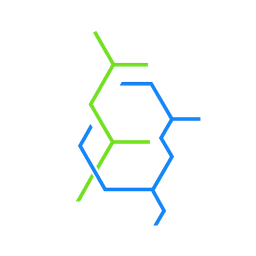
Vitamin B3 derivative; NAD+ precursor; dietary supplement ingredient (not a peptide)
Nicotinamide Riboside
Also known as NR, Nicotinamide riboside chloride, Niagen, Tru Niagen
Not an FDA-approved drug; marketed in the United States as a dietary supplement ingredient, with FDA GRAS and NDI history for nicotinamide riboside chloride but no FDA premarket drug approval.
- Energy
- Compounded · clean
- oral
- 2007

What it is
Nicotinamide riboside, usually abbreviated NR, is an NAD+ precursor rather than a peptide. It belongs to the vitamin B3 family, alongside niacin, nicotinamide, nicotinamide mononucleotide, and related NAD+ pathway compounds[6 –7 ]. Unlike peptide therapeutics, NR has no amino-acid sequence and is typically sold as an oral supplement ingredient rather than administered as an injectable peptide.
The modern NR field expanded after Bieganowski and Brenner reported in 2004 that NR is a conserved NAD+ precursor and identified nicotinamide riboside kinase pathways involved in converting NR into NAD+[8 ]. That discovery helped place NR into the broader NAD+ salvage pathway, where cells recycle vitamin B3-related molecules to maintain NAD+ pools[6 –8 ].
NAD+ is involved in redox metabolism and also serves as a consumed substrate for enzymes such as sirtuins, PARPs, and CD38-family enzymes[6 –7 ]. Because NAD+ biology intersects with mitochondrial function, DNA repair signaling, inflammation, and aging-related pathways, NR has been studied as a way to raise NAD+ availability in humans[6 –7 ,9 –15 ]. This biological rationale does not, by itself, prove clinical benefit for longevity, cognition, weight loss, or disease treatment.
When used commercially, NR is typically taken orally as nicotinamide riboside chloride capsules or tablets. Human trials have generally evaluated oral NR or NR combined with other compounds such as pterostilbene[9 –18 ]. These study descriptions are not dosing recommendations.
Regulatory status
Nicotinamide riboside is not FDA-approved as a prescription drug for any indication identified in this review. FDA’s dietary supplement materials explain that the agency does not approve dietary supplements before they are marketed, and manufacturers are responsible for ensuring that products are safe and properly labeled[2 –3 ].
GRAS and NDI history
NR has a stronger dietary-ingredient regulatory record than many longevity supplements. FDA’s GRAS Notice No. GRN 000635 response stated that the agency had no questions at that time regarding ChromaDex’s conclusion that nicotinamide riboside chloride is generally recognized as safe for specified food uses, while also noting that FDA had not made its own GRAS determination[4 ]. Separately, the FDA NDI framework requires premarket notification for new dietary ingredients unless an exemption applies[3 ,5 ]. Publicly cited NDIN records and peer-reviewed safety publications describe nicotinamide riboside chloride notifications associated with commercial NR products[1 ,13 ].
This regulatory status should not be confused with drug approval. Dietary supplements may not lawfully be marketed with claims to diagnose, cure, mitigate, treat, or prevent disease unless they meet drug requirements[2 –3 ]. Structure-function claims also require appropriate substantiation and FDA disclaimer language under dietary supplement rules[2 –3 ].
Compounding pathway
Compounding status is a separate question, and it differs by pathway. NR is not an FDA-approved drug or a component of one identified in this review, and nicotinamide riboside chloride does not appear on the finalized FDA 503B bulks list or as a shortage-list drug pathway[19 –20 ]. The two nomination lists — substances put forward for compounding and still under FDA evaluation — tell different stories, and they are worth separating. On the section 503A nominated-substances list (updated May 2026), the related NAD+ compounds nicotinamide adenine dinucleotide (NAD) and NADH disodium (reduced) appear in Category 1, but nicotinamide riboside is not listed in any category[34 ]. On the section 503B nominated-substances list (updated March 2025), however, nicotinamide riboside chloride does appear in Category 1 — “Bulk Drug Substances Under Evaluation” — alongside beta-nicotinamide adenine dinucleotide[35 ]. Category 1 is a holding status rather than an endorsement: under FDA’s 503B interim policy the agency states it “does not intend to take action” against an outsourcing facility that compounds with a Category 1 substance while the nomination is evaluated, provided the other 503B conditions are met — enforcement discretion pending review, not a finding that the substance is safe, effective, or FDA-approved[36 ]. Injectable or prescription-compounded NR offerings should still receive pharmacy-law and FDA-compliance review before any listing or endorsement.
NR is not listed in federal controlled-substance schedules in 21 CFR Part 1308[21 ]. Internationally, EFSA has evaluated nicotinamide riboside chloride as a novel food ingredient and assessed expanded uses, including food-supplement use in adults[1 ]. Date of last regulatory update verification: July 11, 2026.
Research summary
Human NR research is more developed than injectable NAD+ research, but it remains mostly focused on biomarkers, short-term tolerability, and intermediate physiological outcomes. The central reproducible finding is that oral NR can raise blood NAD+ or NAD+-related metabolites in at least some human studies[9 –15 ]. Whether that translates into durable clinical benefit remains less clear.
Bioavailability: Trammell 2016
Trammell and colleagues published one of the key early human bioavailability studies in 2016. In a small human component, oral NR increased blood NAD+ metabolism in a dose-related pattern and supported the view that NR is orally bioavailable in humans[9 ]. This study established pharmacokinetic plausibility but was not designed to test disease outcomes, lifespan, or broad “anti-aging” claims.
Healthy older adults: Martens 2018
Martens and colleagues conducted a randomized, double-blind, placebo-controlled crossover trial in healthy middle-aged and older adults[11 ]. Six weeks of NR increased peripheral blood mononuclear cell NAD+ levels and was generally well tolerated. The study also reported exploratory signals in systolic blood pressure and arterial stiffness, but the authors treated those cardiovascular findings as preliminary rather than definitive[11 ].
Safety in healthy overweight adults: Conze 2019
Conze and colleagues reported a randomized, double-blind, placebo-controlled study in 140 healthy adults with overweight[13 ]. Nicotinamide riboside chloride increased whole-blood NAD+ in a dose-dependent manner over 8 weeks and was reported as well tolerated, with no flushing signal typical of high-dose niacin[13 ]. This trial supports biomarker elevation and short-term tolerability, not disease treatment.
Insulin resistance and obesity: Dollerup 2018, Remie 2020
Metabolic trials in obesity and insulin resistance have been less supportive. Dollerup and colleagues studied obese insulin-resistant men in a 12-week randomized placebo-controlled trial and reported that NR did not improve insulin sensitivity or several measures of whole-body glucose metabolism[12 ]. Remie and colleagues studied healthy adults with obesity and reported changes in body composition and skeletal-muscle acetylcarnitine concentrations, but did not establish broad improvements in insulin sensitivity or cardiometabolic disease outcomes[14 ]. These findings limit claims that NR supplementation reliably improves metabolic health in humans.
Acute kidney injury pilot: Simic 2020
NR has also been studied in medically vulnerable groups. Simic and colleagues tested a combination of NR and pterostilbene in hospitalized patients with acute kidney injury and found the regimen was feasible and generally safe in that pilot context[15 ]. Because that study used a combination product, it cannot isolate NR effects.
Parkinson disease: NR-SAFE and methylation studies
Neurological research has become an active area. The NR-SAFE study investigated high-dose NR in Parkinson disease and reported safety and tolerability signals, increased blood NAD metabolome markers, and exploratory clinical measures[16 ]. A related Parkinson disease study examined methylation-related safety concerns and did not identify detrimental methylation changes over the study period[17 ]. These trials are early-stage and do not establish NR as a Parkinson disease treatment.
Systematic review: Prokopidis 2025
A 2025 systematic review and meta-analysis examining NR and NMN for skeletal muscle outcomes concluded that current evidence does not support these NAD+ precursors for preserving muscle mass and function in adults over 60 years[18 ]. That finding is important because muscle, frailty, and exercise claims are common in public discussion but remain weakly supported.
Peripheral artery disease: NICE trial 2024
The NICE randomized clinical trial examined oral NR in patients with peripheral artery disease[26 ]. Over six months, participants taking NR showed a modest improvement in six-minute walk distance compared with placebo; the authors framed the result as supporting a larger confirmatory trial rather than as definitive, and a publisher correction was later issued for the paper[26 ]. This is a disease-specific functional outcome, not a general longevity or anti-aging finding.
Long COVID: randomized controlled trial 2025
A 2025 randomized controlled trial evaluated NR in adults with long COVID[27 ]. The trial did not find statistically significant differences between the NR and placebo groups on its primary endpoint. It did report within-group improvements from baseline after ten weeks of NR in executive function, fatigue severity, sleep quality, and symptoms of depression[27 ]. Because the between-group comparison was not significant, these within-group signals are preliminary and hypothesis-generating rather than confirmatory.
Emerging intravenous and injectable NR
Most human NR evidence involves oral dosing, but early work has begun to explore intravenous and injectable NR — for example, a retrospective real-world pilot comparing tolerability of intravenous NR against intravenous NAD+[28 ]. This literature is small, early-stage, and in some cases not yet peer-reviewed (circulating as preprints). It does not establish efficacy or safety for injectable NR and should be interpreted with particular caution.
Inflammation and immune markers
A recurring signal across the NR literature is a reduction in markers of inflammation. In the aged skeletal-muscle trial by Elhassan and colleagues, three weeks of NR raised the muscle NAD+ metabolome and lowered levels of several circulating inflammatory cytokines[29 ]. In heart failure with reduced ejection fraction, Wang and colleagues reported that the rise in whole-blood NAD+ on NR correlated with reduced expression of pro-inflammatory cytokines and of the NLRP3 inflammasome in peripheral blood mononuclear cells[30 ]. These findings are consistent with an anti-inflammatory effect of raising NAD+, but they come from small trials in which inflammation was usually a secondary or exploratory endpoint rather than the primary outcome. Some of the anti-inflammatory human data attributed to NAD+ precursors also come from combined-metabolic-activator formulations that pair NR with serine, N-acetylcysteine, and L-carnitine, which makes it difficult to isolate an effect of NR by itself.
Rare and premature-aging conditions
NR has also been tested in several rare genetic conditions in which NAD+ metabolism is disturbed. In ataxia telangiectasia, Presterud and colleagues reported that long-term NR use was associated with improved coordination and eye movements; the study was single-arm and open-label, however, and compared participants against historical controls rather than a concurrent placebo group[31 ]. In Werner syndrome, a premature-aging disorder, Shoji and colleagues ran a double-blind, randomized, placebo-controlled crossover trial and reported improvements in arterial stiffness along with signals suggesting protection of kidney function[32 ]. NR has additionally been discussed in the context of Friedreich’s ataxia, but this review did not independently verify a specific controlled trial in that condition, so any such claim should be treated as preliminary. These are small studies in rare diseases and do not generalize to healthy adults or to common age-related conditions.
Overall, oral NR has reasonable evidence for raising NAD+ biomarkers and short-term tolerability in selected populations. A head-to-head randomized comparison published in Nature Metabolism in January 2026 (Christen et al.) found that 14 days of NR and NMN raised whole-blood NAD+ comparably — with no statistically significant difference between the two — and that much of the effect appears to route through gut-microbial conversion to nicotinic acid; our journal evidence review, One molecule, three price tags, compares the NR record with NMN and with injectable NAD+ directly. A 2023 critical review in Science Advances that assessed the published human NR trials concluded that, despite consistent increases in NAD+ metabolites, oral NR has so far demonstrated few clinically relevant effects in humans[33 ]. Evidence is not yet sufficient to claim that NR extends lifespan, reverses aging, treats diabetes, prevents dementia, improves Parkinson disease outcomes, or substitutes for established medical care.
Public discourse
Andrew Huberman, PhD, neuroscientist and host of the Huberman Lab podcast, discussed NR and NMN as NAD+ precursors, while distinguishing animal-data enthusiasm from proven human longevity outcomes[22 ].
There are some animal data suggesting that increasing NAD+ either by taking NR and/or NMN can increase lifespan
Peter Attia, MD, longevity-focused physician and host of The Peter Attia Drive, reviewed NAD+ biology and NR/NMN claims with caution, emphasizing the gap between biomarker changes and clinically proven human outcomes[23 ].
disentangle fact from fiction
Charles Brenner, PhD, biochemist who first reported the NR kinase pathway, has been commercially involved in the NR field and argues that NR is a distinct NAD+ precursor while objecting to overbroad anti-aging marketing claims[24 ].
Nicotinamide riboside is the most recently discovered vitamin precursor of NAD
Eric Verdin, MD, geroscientist and CEO of the Buck Institute for Research on Aging, discussed NAD+ biology, sirtuins, NR, NMN, and skepticism about direct NAD+ IV administration. His comments favor NAD+ precursor biology over unproven infusion claims[25 ].
NAD+ intravenously is not something that should be done
Public discourse reflects the views of the speakers cited and does not represent medical advice or the editorial position of ProPeptideGuide.
Side effects and safety
Oral NR has generally been well tolerated in short-term human trials, but the safety database remains smaller than for approved drugs. Trials have usually lasted weeks to a few months and enrolled selected adults rather than broad, medically complex populations[9 –18 ].
Reported tolerability in trials
In the 140-person Conze trial, nicotinamide riboside chloride was reported as safe and well tolerated over 8 weeks, with dose-dependent NAD+ increases and no flushing signal like that seen with niacin[13 ]. Martens and colleagues also reported tolerability in healthy middle-aged and older adults over 6 weeks[11 ]. Parkinson disease NR studies have examined higher-dose exposure, but those trials remain relatively small and disease-specific[16 –17 ].
Commonly discussed tolerability issues in the broader NR literature include gastrointestinal symptoms, fatigue, headache, nausea, and nonspecific discomfort, though rates vary by trial and product. Published trials have not established a consistent serious adverse-event pattern attributable to NR, but they are underpowered for rare events[9 –18 ].
Theoretical and mechanism-based concerns
Theoretical concerns include effects on NAD+-dependent cancer biology, methylation pathways, homocysteine metabolism, immune signaling, and interactions with other metabolic drugs or supplements[6 –7 ,17 ]. These are biologically plausible areas for study, not proven clinical harms. People with active cancer, pregnancy, severe kidney or liver disease, or complex neurological illness were not well represented in most NR trials.
Drug interactions and long-term exposure
Drug-interaction data are limited. Trials have not adequately tested NR with chemotherapy, immunosuppressants, diabetes medications, anticoagulants, Parkinson disease medication regimens, rapamycin, metformin, resveratrol, NMN, or NAD+ injections. Long-term safety data beyond short controlled trials are limited.
Available through
NR is generally available in the United States as an oral dietary supplement ingredient, not as an FDA-approved prescription peptide or drug. FDA does not pre-approve dietary supplements for safety or effectiveness, so product availability does not mean FDA has reviewed a specific product’s clinical claims[2 –3 ].
As of 2026-07-09, ProPeptideGuide does not list or endorse a specific supplement brand, clinic, or telehealth platform for NR. This is an editorial choice, not a statement that NR is unavailable: oral NR is widely sold over the counter as a dietary supplement, and the best-known branded form is Niagen, marketed to consumers as Tru Niagen by Niagen Bioscience (formerly ChromaDex) and used in a range of third-party supplements. Brand names are noted here for identification only and do not constitute an endorsement. Any future listing should require editorial and legal review of ingredient identity, NDI/GRAS status, label claims, third-party testing, manufacturing quality, adverse-event reporting procedures, and conflict-of-interest disclosures.
ProPeptideGuide does not link to or endorse grey-market vendors, research-chemical suppliers, injectable NR products, or NR products marketed with unapproved disease-treatment claims.
Frequently asked questions
Is nicotinamide riboside a peptide?
Is NR FDA-approved?
Does NR raise NAD+ levels in humans?
Does NR reverse aging?
Is NR the same as NMN?
Has NR been studied for diabetes or insulin resistance?
Has NR been studied in Parkinson disease?
Is NR a controlled substance?
References
- EFSA Panel on Nutrition, Novel Foods and Food Allergens. Extension of use of nicotinamide riboside chloride as a novel food pursuant to Regulation (EU) 2015/2283 . EFSA Journal . 2021;19(11):6843 . doi:10.2903/j.efsa.2021.6843
- U.S. Food and Drug Administration. Questions and Answers on Dietary Supplements . Accessed 2026-05-06 . Source
- U.S. Food and Drug Administration. New Dietary Ingredient Notification Process . Accessed 2026-05-06 . Source
- U.S. Food and Drug Administration. Agency Response Letter GRAS Notice No. GRN 000635 . Accessed 2026-05-06 . Source
- U.S. Food and Drug Administration. Submitted 75-Day Premarket Notifications for New Dietary Ingredients . Accessed 2026-05-06 . Source
- Belenky P, Bogan KL, Brenner C. NAD+ metabolism in health and disease . Trends Biochem Sci . 2007;32(1):12-19 . doi:10.1016/j.tibs.2006.11.006 PMID: 17161604
- Bhasin S, Seals DR, Migaud M, Musi N, Baur JA. Nicotinamide Adenine Dinucleotide in Aging Biology: Potential Applications and Many Unknowns . Endocr Rev . 2023;44(6):1047-1073 . doi:10.1210/endrev/bnad019
- Bieganowski P, Brenner C. Discoveries of nicotinamide riboside as a nutrient and conserved NRK genes establish a Preiss-Handler independent route to NAD+ in fungi and humans . Cell . 2004;117(4):495-502 . doi:10.1016/S0092-8674(04)00416-7 PMID: 15137942
- Trammell SAJ, Schmidt MS, Weidemann BJ, et al.. Nicotinamide riboside is uniquely and orally bioavailable in mice and humans . Nat Commun . 2016;7:12948 . doi:10.1038/ncomms12948 PMID: 27721479
- Dellinger RW, Santos SR, Morris M, et al.. Repeat dose NRPT increases NAD+ levels in humans safely and sustainably . NPJ Aging Mech Dis . 2017;3:17 . doi:10.1038/s41514-017-0016-9 PMID: 29184669
- Martens CR, Denman BA, Mazzo MR, et al.. Chronic nicotinamide riboside supplementation is well-tolerated and elevates NAD+ in healthy middle-aged and older adults . Nat Commun . 2018;9:1286 . doi:10.1038/s41467-018-03421-7 PMID: 29599478
- Dollerup OL, Christensen B, Svart M, et al.. A randomized placebo-controlled clinical trial of nicotinamide riboside in obese men: safety, insulin-sensitivity, and lipid-mobilizing effects . Am J Clin Nutr . 2018;108(2):343-353 . doi:10.1093/ajcn/nqy132
- Conze DB, Crespo-Barreto J, Kruger CL. Safety assessment of nicotinamide riboside, a form of vitamin B3 . Sci Rep . 2019;9:9772 . doi:10.1038/s41598-019-46120-z
- Remie CME, Roumans KHM, Moonen MPB, et al.. Nicotinamide riboside supplementation alters body composition and skeletal muscle acetylcarnitine concentrations in healthy obese humans . Am J Clin Nutr . 2020;112(2):413-426 . doi:10.1093/ajcn/nqaa072
- Simic P, Vela Parada XF, Yeung SMH, et al.. Nicotinamide riboside with pterostilbene in patients with acute kidney injury: a randomized, double-blind, placebo-controlled, stepwise safety study . BMC Nephrol . 2020;21:342 . doi:10.1186/s12882-020-02006-1 PMID: 32791973
- Berven H, Lauritzen KH, Dölle C, et al.. NR-SAFE: a randomized, double-blind safety trial of high dose nicotinamide riboside in Parkinson's disease . Nat Commun . 2023;14:7793 . doi:10.1038/s41467-023-43514-6
- Gaare JJ, Dölle C, Tysnes OB, et al.. Nicotinamide riboside supplementation is not associated with altered methylation homeostasis in Parkinson's disease . iScience . 2023;26(3):106278 . doi:10.1016/j.isci.2023.106278
- Prokopidis K, Moriarty F, Bahat G, et al.. The Effect of Nicotinamide Mononucleotide and Riboside on Skeletal Muscle Mass and Function: A Systematic Review and Meta-Analysis . J Cachexia Sarcopenia Muscle . 2025;16(3):e13799 . doi:10.1002/jcsm.13799 PMID: 40275690
- U.S. Food and Drug Administration. Bulk Drug Substances Used in Compounding . Accessed 2026-05-06 . Source
- U.S. Food and Drug Administration. 503B Bulk Drug Substances List . Accessed 2026-05-06 . Source
- 21 CFR Part 1308 — Schedules of Controlled Substances . Code of Federal Regulations . Accessed 2026-05-06 . Source
- NAD.com. Huberman NAD Supplement Stack: What He Takes Daily . Accessed 2026-05-06 . Source
- Attia P. NAD for health and longevity: separating legitimate promise from unfounded claims . The Drive . June 16, 2024 . Source
- NutraIngredients-USA. Supplements and aging: Dr Charles Brenner on how the science and the market have evolved . March 15, 2019 . Source
- Dean G. Top Aging Expert & Peter Attia Discuss NAD+ Precursors: Taking NMN and NR Together . NAD.com . August 12, 2025 . Source
- McDermott MM, et al.. Nicotinamide riboside for peripheral artery disease: the NICE randomized clinical trial . Nat Commun . 2024;15:5046 . doi:10.1038/s41467-024-49092-5 PMID: 38871717. See also Publisher Correction, Nat Commun 2024, doi:10.1038/s41467-024-51289-7.
- Wu J, et al.. Effects of nicotinamide riboside on NAD+ levels, cognition, and symptom recovery in long-COVID: a randomized controlled trial . eClinicalMedicine . 2025;89:103633 . doi:10.1016/j.eclinm.2025.103633
- Intravenous infusion of nicotinamide adenine dinucleotide (NAD+) versus nicotinamide riboside (NR): a retrospective tolerability pilot study in a real-world setting . Front Aging . 2026;7:1652582 . doi:10.3389/fragi.2026.1652582
- Elhassan YS, Kluckova K, Fletcher RS, et al.. Nicotinamide Riboside Augments the Aged Human Skeletal Muscle NAD+ Metabolome and Induces Transcriptomic and Anti-inflammatory Signatures . Cell Rep . 2019;28(7):1717-1728.e6 . doi:10.1016/j.celrep.2019.07.043 PMID: 31412242
- Wang DD, Airhart SE, Zhou B, et al.. Safety and Tolerability of Nicotinamide Riboside in Heart Failure With Reduced Ejection Fraction . JACC Basic Transl Sci . 2022;7(12):1183-1196 . doi:10.1016/j.jacbts.2022.06.012
- Presterud R, et al.. Long-Term Nicotinamide Riboside Use Improves Coordination and Eye Movements in Ataxia Telangiectasia . Mov Disord . 2024;39(2):360-369 . doi:10.1002/mds.29645 PMID: 37899683. Single-arm, open-label; compared against historical controls.
- Shoji M, et al.. Nicotinamide Riboside Supplementation Benefits in Patients With Werner Syndrome: A Double-Blind Randomized Crossover Placebo-Controlled Trial . Aging Cell . 2025;24(8):e70093 . doi:10.1111/acel.70093 PMID: 40459998
- Damgaard MV, Treebak JT. What is really known about the effects of nicotinamide riboside supplementation in humans . Sci Adv . 2023;9(29):eadi4862 . doi:10.1126/sciadv.adi4862 PMID: 37478182. Independent critical review of the human NR trial literature.
- U.S. Food and Drug Administration. Bulk Drug Substances Nominated for Use in Compounding Under Section 503A of the FD&C Act . Updated May 14, 2026 . Source
- U.S. Food and Drug Administration. Bulk Drug Substances Nominated for Use in Compounding Under Section 503B of the FD&C Act (nicotinamide riboside chloride listed in Category 1) . Updated March 21, 2025 . Source
- U.S. Food and Drug Administration. Interim Policy on Compounding Using Bulk Drug Substances Under Section 503B of the FD&C Act — Guidance for Industry . Accessed July 11, 2026 . Source
International availability
Regulatory status differs by jurisdiction. Each entry below is sourced to the local regulator or pharmacopoeia and dated.
European Union
Approved drugNiagen
Authorized as a Novel Food under Regulation (EU) 2015/2283 in 2020 for use in food supplements; not authorized as a medicine.
EU Union List of Novel FoodsVerified May 7, 2026
United Kingdom
Approved drugAuthorized as a Novel Food under UK retained EU law for use in food supplements.
Verified May 7, 2026
Australia (TGA)
Approved drugPermitted as a complementary-medicine ingredient under TGA's listed-medicines framework when used at compliant doses.
TGA ARTGVerified May 7, 2026
ProPeptideGuide does not facilitate cross-border importation or evade local prescription requirements. This section describes regulatory status for reference; obtaining a prescription medicine requires a lawful local prescription in the relevant jurisdiction.
Continue exploring
See full map →Same mechanism family · Energy
Same regulatory status · Legally compounded
Frequently researched together